
Exploring Blended Learning Approaches in Gauteng Schools: A Comprehensive Guide

In recent years, schools in Gauteng have been increasingly adopting blended learning approaches to enhance educational outcomes. This method combines traditional face-to-face instruction with digital learning, offering a more flexible and personalized learning experience for students.
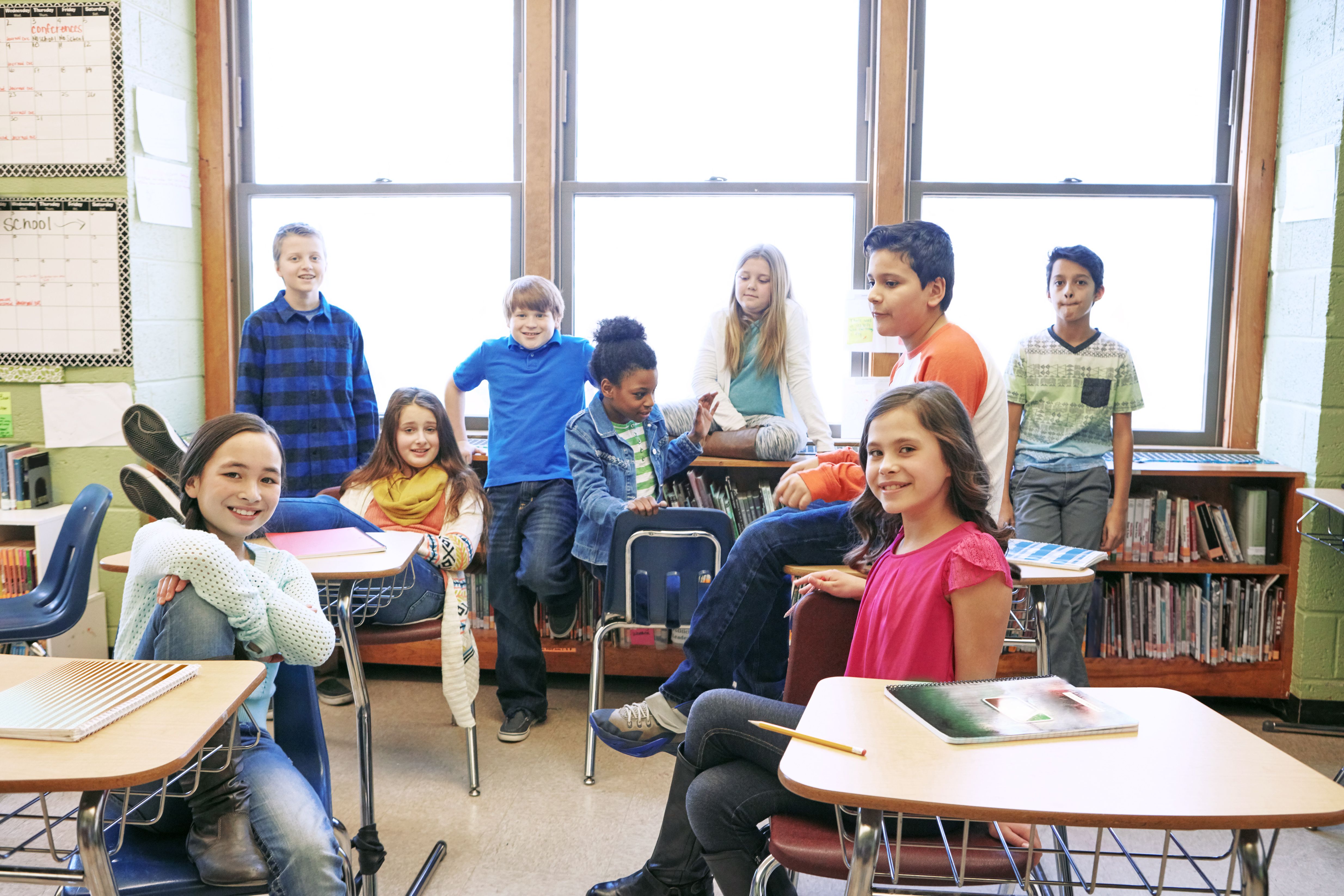
Understanding Blended Learning
Blended learning involves integrating digital resources with conventional teaching methods. This approach allows students to benefit from the best of both worlds, providing a dynamic and engaging educational environment. Digital tools can include online courses, interactive modules, and virtual classrooms.
One of the key advantages of blended learning is its ability to cater to different learning styles. Students can learn at their own pace, which helps in accommodating diverse needs and abilities. This flexibility is especially important in a diverse region like Gauteng, where schools serve students from a wide range of backgrounds.
Benefits for Students and Teachers
Blended learning offers several benefits for both students and teachers. For students, it promotes self-directed learning and improves digital literacy skills. They gain access to a vast array of resources and can revisit course materials as needed, enhancing their understanding and retention.

For teachers, blended learning provides the opportunity to innovate and diversify their teaching strategies. Educators can leverage technology to provide instant feedback and track student progress more effectively. This approach also enables teachers to focus on individualized instruction, supporting students who may need extra help.
Implementing Blended Learning in Gauteng Schools
Successful implementation of blended learning requires careful planning and consideration. Schools need to invest in the necessary infrastructure, such as reliable internet access and digital devices, to support this model. Additionally, professional development for teachers is crucial to ensure they can effectively integrate technology into their teaching.

Collaboration with parents and the community is also essential. By keeping open lines of communication, schools can ensure that all stakeholders understand the benefits and challenges of blended learning. This cooperation can lead to a more supportive learning environment for students.
Challenges and Solutions
While blended learning offers many advantages, it also presents challenges. Access to technology can be a barrier for some students, particularly those from low-income families. Schools must strive to provide equitable access to digital resources to ensure that all students can participate fully.
To address these challenges, schools can explore partnerships with technology providers and seek funding opportunities to improve access to devices and connectivity. Additionally, offering training sessions for students and parents can help them become more comfortable with digital tools.
The Future of Blended Learning in Gauteng
As technology continues to evolve, the potential for blended learning to transform education in Gauteng is immense. By embracing this approach, schools can create more engaging and effective learning experiences that prepare students for the demands of the modern world.
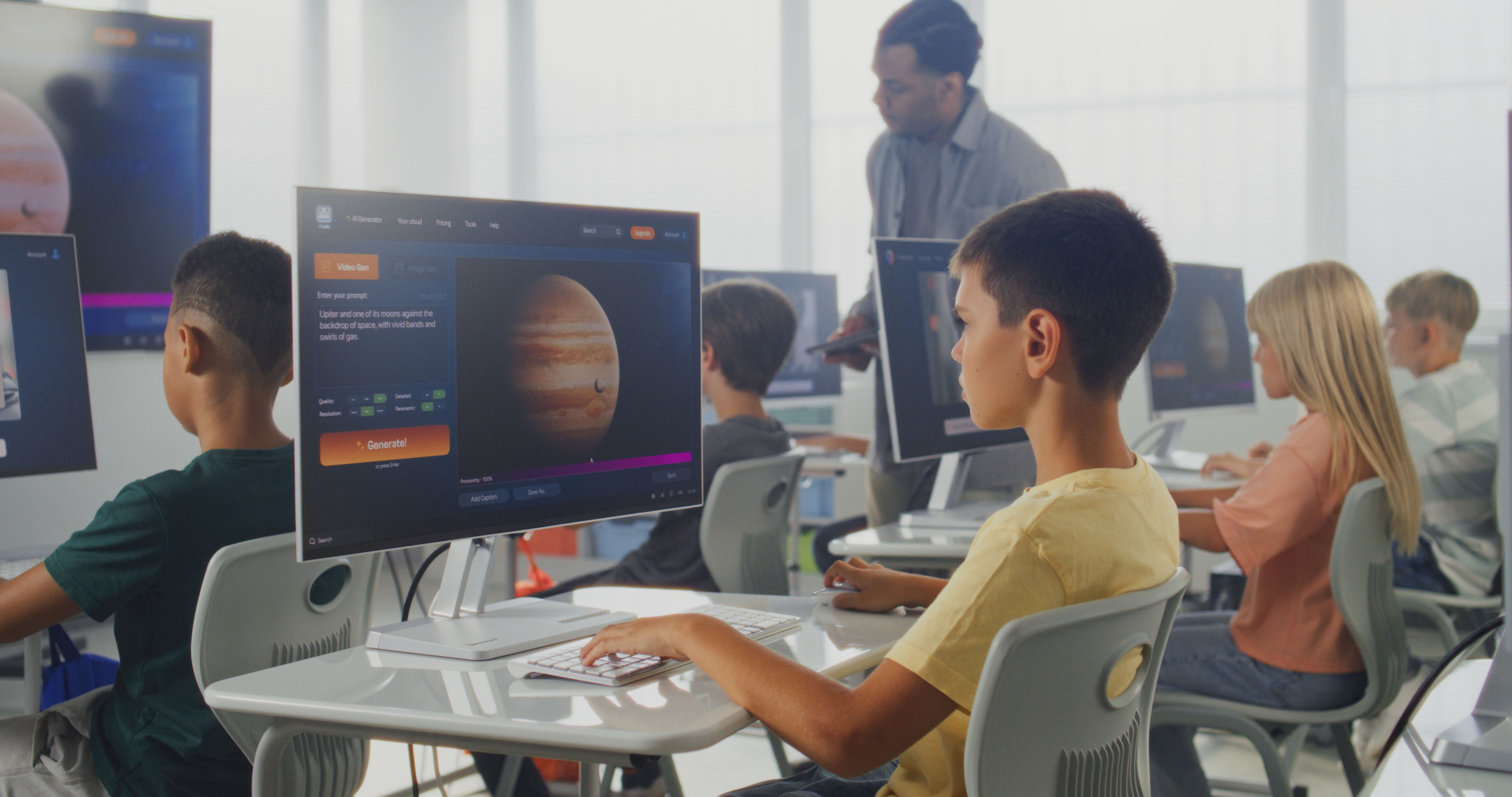
Looking ahead, it's clear that blended learning will play a significant role in shaping the future of education in Gauteng. By adapting to these changes, schools can ensure they are providing students with the skills and knowledge they need to succeed.